
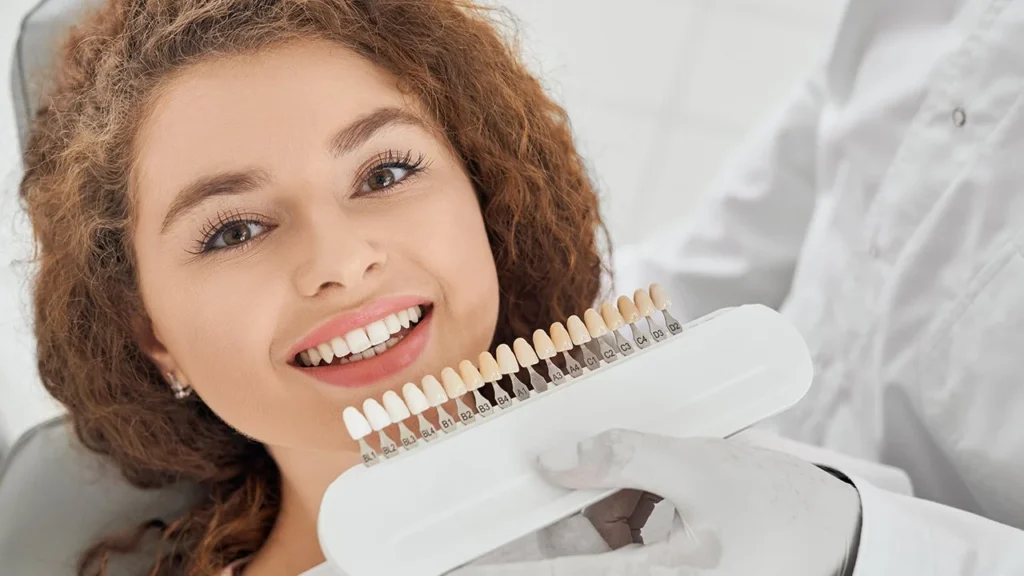
Teeth whitening procedures can address discoloration, and these treatments are designed to lighten the color of your teeth and remove stains. Understanding the science behind these methods helps you know what to expect. To achieve noticeable results, this process involves specific materials and techniques. Here is more information about the science behind effective teeth whitening methods:
Causing Discoloration
Teeth can become discolored for several reasons. As the enamel on your teeth thins over time, the yellowish dentin underneath may become more visible. This natural process contributes to a less bright smile. Certain foods and drinks also stain the enamel surface, and these stains may accumulate over the years.
Using Whitening Solution
Professional whitening treatments use a powerful bleaching solution. Depending on the dental clinic, the active ingredient is typically hydrogen peroxide or carbamide peroxide. A dentist or specialist applies a concentrated gel directly to your teeth for an in-house procedure. You might also receive custom-fitted trays for a take-home method, which you fill with a lower-concentration gel.
These peroxide-based agents work by breaking down stains on a molecular level. The solution penetrates the tooth enamel to reach the discolored molecules inside. Oxygen atoms from the whitening agent then react with the staining compounds, which break the bonds holding them together. This chemical reaction effectively neutralizes the stains, making the teeth appear whiter.
The concentration of the whitening solution determines its strength. In-office treatments use higher concentrations for faster results under professional supervision. Take-home kits use a gentler formula that works more gradually. Both methods are effective at lifting stains when used as directed.
Activating Solution With Light
A special light or laser is typically used during in-office whitening procedures. After the whitening gel is applied to your teeth, the light is directed at them. This light activates the hydrogen peroxide in the gel. The activation process accelerates the chemical reaction that breaks down stains. This step helps to speed up the whitening process significantly.
Lightening Multiple Shades
Professional teeth whitening can lighten your teeth by several shades. The degree of whitening depends on the original shade of your teeth and the type of staining. Results vary from person to person, but many see a noticeable difference. The treatment targets both surface-level and deeper stains for a comprehensive result. A few factors that influence the outcome include:
- Genetics
- Diet
- Age
The whitening agent breaks down stains, and this process continues for a short period after the treatment. Your teeth may appear a few shades lighter immediately following the procedure. To maintain the results, you may need to avoid certain staining foods and drinks. Follow-up treatments can help keep your smile bright.
Schedule Teeth Whitening Today
Understanding the science behind teeth whitening helps clarify how the process works. The procedure uses a safe, effective solution, and it helps to break down stains and brighten your smile. If you are interested in learning more, speaking with a professional is a great next step. Contact a dental office today to schedule an appointment and discuss your teeth whitening options.
- Expert Tips for Locating Quality Pinched Nerve Treatment Near You
- Understanding QuantumRF Technology In Skin Rejuvenation
- The Role of Regular Podiatry Check-ups for Overall Wellness
- Understanding the Role of a Plastic Surgeon in Cosmetic Procedures
- The Connection Between Shingles and Your Immune System