
When medication is intended to heal, the last thing anyone wants is an allergic reaction. Allergic reactions to medication can range in intensity and manifest in various ways. Understanding how to recognize and manage these reactions is key. Whether you’re someone who’s experienced this firsthand or a caregiver supporting a loved one, this article will guide you on what to do next.
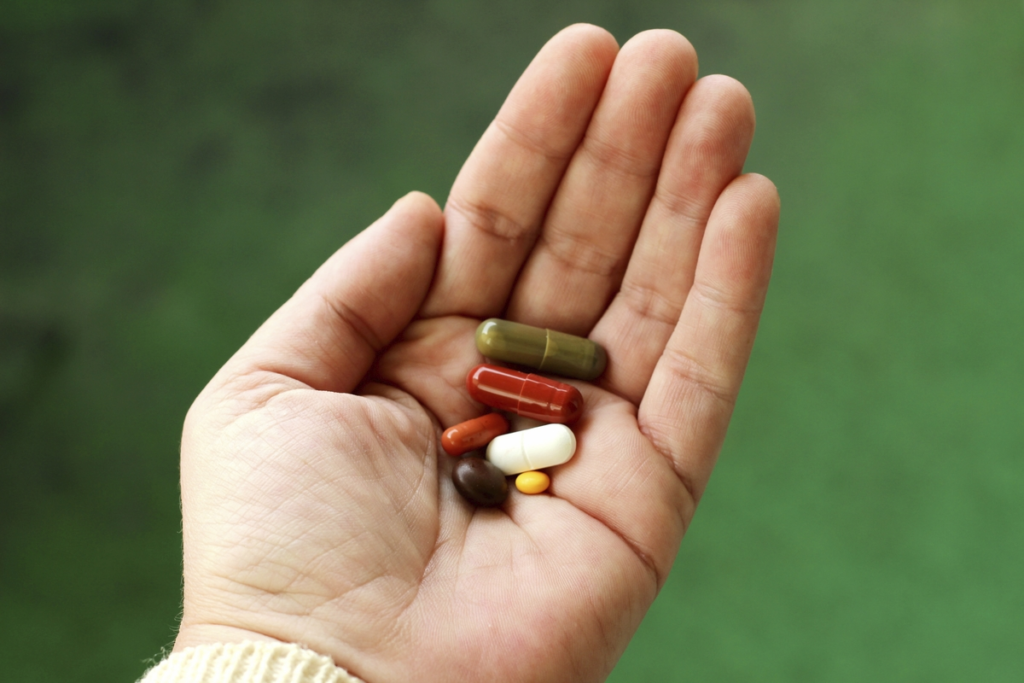
Recognizing Allergic Reactions to Medication
The symptoms of an allergic reaction can vary from mild discomfort to a more severe response. Recognizing these reactions early is key to preventing complications. Common symptoms might include hives, rash, itchiness, or swelling in areas such as the face, lips, or tongue.
More serious signs, such as difficulty breathing, tightness in the chest, or a rapid heartbeat, could indicate a severe reaction called anaphylaxis. This is a medical emergency that requires immediate attention. Always monitor any new or unusual symptoms when taking medications, particularly if it’s the first time using them. It’s helpful to consult a healthcare professional to distinguish between a medication side effect and a true allergic response.
Seeking Medical Advice
If you suspect an allergic reaction to medication, reaching out to a healthcare provider is pivotal. They can help evaluate the severity of the symptoms and suggest an appropriate course of action. Healthcare professionals ask about your medical history, previous reactions, and a description of your current symptoms.
For less severe reactions, such as a mild rash, your doctor may advise stopping the medication and prescribe an alternative or suggest over-the-counter remedies. For severe reactions, like anaphylaxis, immediate emergency care is necessary. Making sure that you or your loved one has access to emergency medical help, such as calling 911, can be life-saving.
Healthcare providers may also recommend keeping detailed records of any allergic reactions. This information helps guide future decisions regarding medication choices. Wearing a medical alert bracelet or carrying an allergy card may also be helpful in case of emergencies.
Preventing Allergic Reactions
While reactions may not always be avoidable, there are ways to reduce the risk. Below are some helpful prevention strategies:
- Share your medical history with your healthcare provider, especially if you’ve had previous reactions.
- Carry an allergy card or maintain a list of medications that have caused reactions before.
- Read every medication label carefully, including over-the-counter drugs, to verify ingredients.
- Consult your doctor or pharmacist about any potential cross-reactivity between medications.
- Stay informed about any new medications prescribed and ask for detailed information.
Before starting any new medication, discuss your concerns or risks with a trusted healthcare professional. They can guide you in choosing alternative drugs that may be safer for you.
Taking Charge of Medication Allergies
Managing reactions to medication can feel overwhelming, but taking proactive steps makes a difference. By recognizing symptoms, seeking timely medical help, and implementing prevention strategies, you can minimize the risks and enhance your safety. If you have concerns about medication allergies, consult with your healthcare provider for personalized guidance. Your well-being matters, and being prepared helps you make informed decisions when it comes to your health.
What Genres Are Available on Coffee Manga?
Manga has become a popular form of entertainment for readers who enjoy visual storytelling, memorable…

How Technology Can Help Small Businesses Compete Online
Small businesses often face a difficult challenge when competing with larger companies online. Bigger organizations…

Manga Buddy Alternatives for Reading Manga Online
Reading manga online has become a convenient way for fans to discover new stories, follow…

Where to Read Manga for Free Legally
Manga has become a worldwide form of entertainment, attracting readers with everything from action-packed adventures…

Why Is Manhwa Popular on Asura-Scans?
Manhwa has become one of the fastest-growing forms of digital entertainment among comic readers worldwide….

How to Improve Gut Health Naturally
Gut health plays an important role in digestion, nutrient absorption, immune function, and overall well-being….