
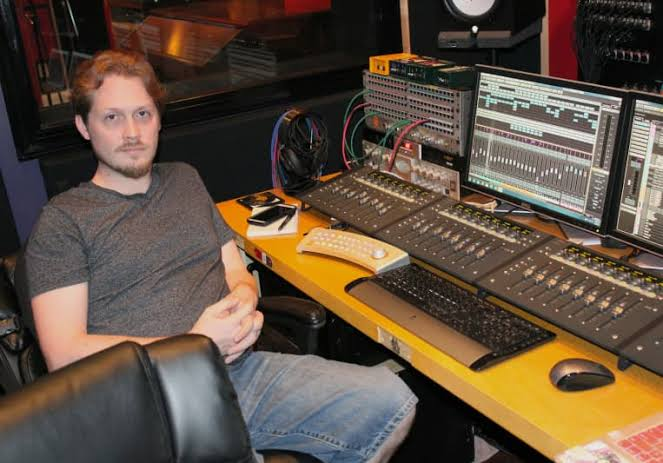
Independent creators have more opportunities than ever to produce and share audio content. Podcasts, spoken-word projects, voice performances, educational recordings, interviews, ambient audio, and other formats can all find an audience online. However, creating the content is only one part of the process. Choosing a practical way to host, organize, and share audio can have a major impact on how easily listeners discover and consume that work.
For creators who want a straightforward place to publish audio, soundgasm.net represents an option worth exploring. An audio-focused hosting approach can help creators concentrate on producing useful or entertaining recordings instead of spending excessive time managing complicated publishing systems.
Why Audio Hosting Matters for Independent Creators
Audio creators often work with limited budgets, small teams, or no team at all. A musician may handle recording and promotion independently, while a podcaster might be responsible for research, editing, publishing, and audience engagement. In these situations, simplicity can be extremely valuable.
A dedicated audio hosting service gives creators a place to make their recordings accessible online. Instead of distributing large files manually, creators can use a platform designed around audio content and sharing.
This is especially useful for independent creators who are building an audience gradually. They may not need an extensive media-management system at the beginning. What matters more is having an organized way to publish recordings and make them available to interested listeners.
Benefits of an Audio-Focused Platform
Simple Content Distribution
One of the biggest advantages of specialized audio hosting is easier distribution. Creators can upload recordings and share them with their audience without creating a complicated infrastructure from scratch.
For someone producing regular voice content, interviews, storytelling, or other audio projects, reducing unnecessary technical steps can make the publishing process more manageable.
A Better Focus on Audio
General-purpose platforms support many forms of media, but an audio-focused environment can provide a more relevant experience for people whose primary content is sound.
This can be particularly useful for creators who do not need elaborate video production. Instead of spending time creating visual assets for every recording, they can concentrate on audio quality, presentation, and the value of the content itself.
Convenient Sharing
Independent creators frequently promote their work through social networks, communities, websites, newsletters, and direct messages. An accessible audio page can make it easier to direct interested listeners toward a specific recording.
A simple sharing workflow can also support promotional campaigns. For example, a creator might publish a short recording, mention it in a social media post, and direct followers to the complete audio through a dedicated hosting page.
What Types of Creators Can Benefit?
Audio hosting is not limited to traditional podcasters. Many different creators can use online audio publishing as part of their content strategy.
Podcasters
Podcasters need dependable ways to publish episodes and give listeners access to their work. While large podcast ecosystems remain important, independent creators can also benefit from maintaining direct control over individual audio publications.
Voice and Spoken-Word Creators
Voice performers, storytellers, narrators, and spoken-word artists can use audio platforms to showcase their abilities. A collection of recordings can serve as a convenient portfolio for potential listeners, collaborators, or clients.
Educators and Informational Creators
Audio can also support educational content. Short lessons, explanations, interviews, discussions, and supplementary recordings can provide audiences with information in a format they can consume while commuting, exercising, or performing routine tasks.
Independent Artists
Artists who experiment with sound can use online hosting to distribute demonstrations, creative projects, soundscapes, and other audio-based work. Hosting provides an additional channel for presenting work beyond traditional social platforms.
Audio Quality Still Matters
A convenient hosting platform cannot compensate for poor recording quality. Independent creators should pay attention to the production process before uploading their work.
A quiet recording environment is a good starting point. Background noise, room echoes, microphone handling sounds, and inconsistent volume can distract listeners. Even inexpensive equipment can produce reasonable results when the recording environment and microphone technique are handled carefully.
Creators should also consider editing. Removing unnecessary pauses, distracting noises, and obvious mistakes can make recordings easier to follow. At the same time, editing should not make the content sound unnatural.
File formats and compression deserve attention as well. Large files may be inconvenient for listeners with slower connections, while excessive compression can reduce audio quality. The right balance depends on the type of recording and the intended audience.
Building a Consistent Publishing Routine
One recording can attract attention, but consistency is often more useful for long-term audience development.
Creators can establish a realistic publishing schedule based on their available time. This might mean one recording each week, several shorter recordings per month, or occasional larger projects.
The important point is sustainability. Publishing three times a week for one month and then disappearing for six months is usually less practical than establishing a schedule that can be maintained over time.
A simple workflow can help:
- Plan the topic or recording.
- Record the audio.
- Review and edit the file.
- Prepare a useful title and description.
- Publish the recording.
- Share it with the intended audience.
- Review feedback and improve future recordings.
This process creates a repeatable system that becomes easier with experience.
Making Audio Easier to Discover
Publishing an audio file is only the beginning. Creators also need to think about discoverability.
Titles should clearly communicate what a recording is about. A vague title may make sense to the creator but provide little information to a new listener. Descriptions can add useful context, including the subject, purpose, major topics, and relevant background information.
Creators should also avoid misleading descriptions or excessive keyword repetition. Search optimization works best when the language naturally describes the content.
If an audio project has a website, related articles can also support discovery. For example, a creator publishing interviews could write a short article summarizing each discussion and provide the corresponding audio as additional content.
Protecting Creative Work
Independent creators should understand how their content can be used after publication. Copyright considerations become increasingly important as an audio library grows.
Creators who publish original recordings should keep organized copies of their source files and project files. They should also understand the permissions and licensing terms associated with any music, sound effects, samples, or third-party material included in their recordings.
The U.S. Copyright Office provides official information about copyright protection and registration that creators can consult when they need a better understanding of their rights.
Keeping clear records can also help when collaborating with other people. If several individuals contribute to a recording, establishing ownership and permission expectations before publication can prevent confusion later.
Promoting an Independent Audio Library
Once recordings are published, promotion can happen across several channels.
Social media is useful for short announcements, previews, and discussions. Email newsletters can help creators reach people who have already expressed interest. Personal websites can provide a central location where listeners can learn more about the creator and find related projects.
Creators can also experiment with short promotional clips or quotations from longer recordings. The goal is not simply to advertise but to give potential listeners a reason to explore the full content.
Community participation can be another effective approach. Instead of repeatedly posting promotional messages, creators can participate in relevant discussions, answer questions, and contribute useful information. This can gradually build credibility and attract people who genuinely appreciate the subject matter.
The Importance of a Sustainable Strategy
Independent audio creation does not have to begin with expensive equipment or an elaborate business plan. A sustainable strategy can start with clear goals and a manageable workflow.
Creators should decide what they want their audio library to accomplish. Some may want to build an audience, while others may be creating a portfolio, documenting projects, educating listeners, or simply sharing creative work.
That goal should influence decisions about recording quality, publishing frequency, promotion, and audience engagement.
The most effective approach is usually one that the creator can maintain. Good content published consistently and presented clearly can be more valuable than an overly complicated system that becomes difficult to manage.
Conclusion
Audio continues to provide independent creators with a flexible way to communicate, entertain, educate, and build communities. For creators who want an audio-centered publishing workflow, specialized hosting can simplify distribution and allow more attention to remain on the content itself.
The combination of reliable publishing, thoughtful audio production, clear descriptions, consistent promotion, and responsible content management can help independent creators develop a stronger presence online. Whether the goal is podcasting, spoken-word content, education, creative experimentation, or portfolio building, a simple and sustainable audio strategy provides a solid foundation for long-term growth.