
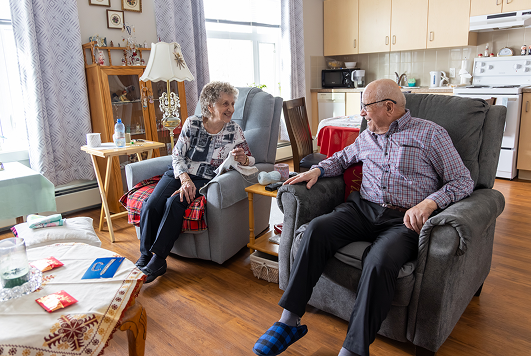
Retirement can be an exciting new chapter, especially when older adults have the opportunity to choose a living arrangement that matches their lifestyle, interests, and level of independence. For many seniors, independent living provides a balance between privacy and community, allowing them to enjoy daily life without the responsibilities that often come with maintaining a traditional home.
As people approach retirement, questions about location, housing, social activities, meals, maintenance, transportation, and future needs naturally become important. Understanding the different independent living options available can make the decision easier and help seniors and their families choose an environment that supports comfort, independence, and quality of life.
For individuals researching retirement communities and senior living choices, bethanynd.org can be a useful starting point for learning more about retirement living opportunities and the services available to older adults.
What Is Independent Living?
Independent living is designed primarily for older adults who are able to manage their daily routines independently but prefer the convenience and social opportunities of a retirement community.
Unlike assisted living, independent living generally does not focus on providing extensive personal-care assistance. Instead, the emphasis is on creating a comfortable environment where residents can maintain an active lifestyle while having access to helpful amenities and community activities.
Depending on the community, independent living may include private apartments, suites, or other residential arrangements. Services can also vary, so prospective residents should carefully review what is included before making a decision.
Why Seniors Choose Independent Living
One of the biggest advantages of independent retirement living is convenience. Home maintenance, yard work, and other household responsibilities can become time-consuming over the years. Moving into an independent living community may reduce these responsibilities and allow residents to spend more time doing things they enjoy.
Social connection is another important factor. Retirement can sometimes lead to fewer opportunities for regular interaction, particularly after leaving the workplace. A community environment can make it easier to meet neighbors, participate in activities, and develop new friendships.
Independent living can also provide a greater sense of structure without eliminating personal freedom. Residents can generally decide how they spend their days while having activities and services available when they want them.
Different Independent Living Options
Independent living does not look exactly the same in every retirement community. Several housing arrangements may be available, depending on the organization and location.
Independent Apartments
Independent apartments are a popular choice for seniors who want their own private living space while benefiting from the surrounding community.
These apartments may include kitchens, living areas, bedrooms, and accessible features designed with older residents in mind. Some communities also offer housekeeping or maintenance services, allowing residents to focus less on household chores.
Senior Community Residences
Some retirement communities provide residential settings where independent seniors live close to one another and have access to shared spaces.
Common areas may include dining rooms, lounges, gardens, fitness areas, libraries, or activity rooms. These spaces encourage residents to socialize while still allowing them to maintain private living arrangements.
Continuing Care Communities
Some senior living organizations offer multiple levels of care within the same broader community. This model can be appealing to people who want to establish a home in one place while having additional support potentially available if their needs change.
The exact services and eligibility requirements differ between communities, so families should ask detailed questions about how transitions between levels of care work.
Important Features to Consider
Choosing an independent living community involves more than looking at the appearance of a building. Seniors should consider how the community fits their everyday routines and long-term preferences.
Location
Location can affect access to family members, healthcare providers, shopping, entertainment, religious organizations, and community events.
A convenient location may also make it easier for relatives and friends to visit regularly. When comparing communities, consider both the immediate neighborhood and the distance from important destinations.
Housing Design
The layout and accessibility of an apartment can have a major impact on comfort. Features such as elevators, accessible bathrooms, wide doorways, emergency response systems, and convenient floor plans may be particularly valuable.
Prospective residents should visit the property whenever possible and imagine what living there would be like during an ordinary week.
Dining Options
Food is an important part of daily life in retirement communities. Some independent living communities provide dining programs, while others offer apartments with full kitchens.
When reviewing dining arrangements, ask about meal schedules, menu variety, dietary accommodations, and whether residents can prepare meals themselves.
Activities and Social Opportunities
A strong activities program can make retirement living more enjoyable. Communities may offer exercise classes, arts and crafts, educational sessions, games, entertainment, outings, gardening, or volunteer opportunities.
The goal is not simply to keep residents busy. Meaningful activities can encourage social interaction, support hobbies, and help people maintain a sense of purpose.
Independence and Quality of Life
Independent living should support autonomy rather than replace it. Older adults often value the ability to make their own decisions, maintain personal routines, and choose how they spend their time.
A good retirement community can provide the convenience of support services while preserving that sense of control.
Quality of life can also be influenced by opportunities for physical activity, social connection, hobbies, and continued learning. According to the National Institute on Aging, healthy aging involves multiple aspects of well-being, including physical, mental, and social factors.
This is one reason community design and available activities deserve as much attention as the physical apartment itself.
Questions to Ask Before Choosing a Community
Families can make the comparison process easier by preparing questions before visiting retirement communities.
Consider asking:
- What types of independent living residences are available?
- What services are included in the monthly cost?
- Are meals provided, and what dining options are available?
- Are housekeeping and maintenance services included?
- What activities and social programs are offered?
- Is transportation available for appointments or shopping?
- Are emergency response systems provided?
- What happens if a resident’s care needs change?
- Are there additional fees for optional services?
- What are the rules regarding visitors, pets, and personal furnishings?
Getting clear answers can help prevent unexpected costs and ensure the community meets the resident’s expectations.
Understanding Costs
Cost is naturally one of the most important considerations when evaluating independent living.
Monthly expenses may depend on the size and type of residence, services included, location, dining arrangements, and optional amenities. Some communities may have entrance fees or additional charges for certain services.
Rather than comparing only monthly rent, families should calculate the overall cost of living. Consider expenses such as utilities, home maintenance, transportation, groceries, entertainment, and household services that may no longer be necessary after moving.
A detailed comparison can reveal the actual financial value of a retirement community.
Preparing for the Transition
Moving from a longtime home into a retirement community can involve both practical and emotional adjustments. Downsizing possessions is often one of the most challenging parts.
Start early by sorting belongings into categories such as essential items, sentimental possessions, items to donate, and things that can be sold or discarded. Taking the process gradually can make the transition less overwhelming.
It is also helpful to involve the future resident in decisions whenever possible. Their preferences should guide choices about furniture, room arrangement, activities, and daily routines.
Visiting the community multiple times can also provide a better understanding of its atmosphere. A place may look attractive during a short tour, but observing how residents interact and spend their time can provide additional insight.
Is Independent Living the Right Choice?
Independent living may be a strong option for older adults who want greater convenience, social opportunities, and fewer household responsibilities while continuing to manage their own daily lives.
However, every person’s situation is different. Some seniors may prefer to remain in their current home with modifications or community services, while others may benefit from a setting that provides additional support.
The right choice should be based on current needs, personal preferences, finances, location, and potential future requirements.
Conclusion
Choosing a retirement living arrangement is an important decision that deserves thoughtful consideration. Independent living can offer older adults a comfortable home, social opportunities, convenient services, and the freedom to enjoy retirement on their own terms.
By comparing housing options, amenities, activities, costs, location, and future support, seniors and their families can make a more informed decision. The best community is ultimately one that feels comfortable, supports independence, and provides opportunities for residents to enjoy an active and fulfilling lifestyle.