
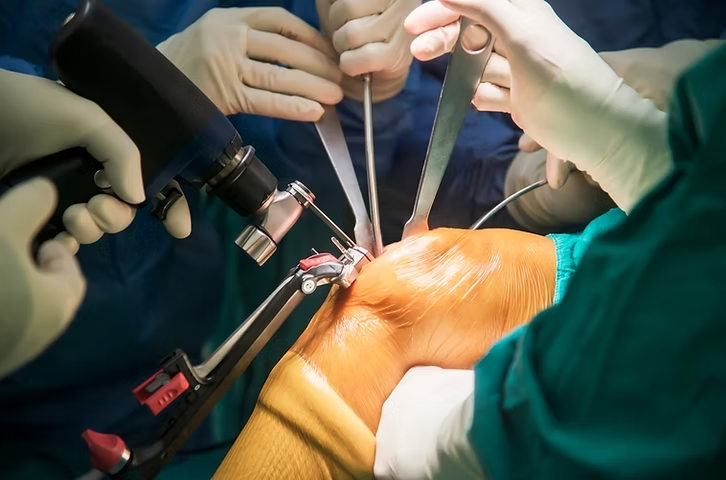
Joint pain can make everyday life extremely difficult and stressful. Simple activities such as walking, standing, climbing stairs, exercising, or even sleeping comfortably may become painful when joints are damaged. Millions of people around the world suffer from joint problems because of aging, arthritis, injuries, obesity, or long-term wear and tear. When medications, therapy, and lifestyle changes no longer provide relief, doctors often recommend joint replacement surgery.
A joint replacement surgery specialist is a highly trained orthopedic doctor who focuses on replacing damaged joints with artificial implants to improve movement and reduce pain. These specialists help patients return to active and healthier lifestyles by using advanced surgical procedures and modern medical technology.
Today, joint replacement surgeries are safer, more precise, and more successful than ever before. Modern robotic systems, minimally invasive techniques, and improved implant materials are helping patients recover faster and experience better long-term results.
This detailed guide by markiseteppe explains the role of a joint replacement surgery specialist, different types of joint replacement procedures, benefits, recovery process, modern technology, and why these specialists are important in modern healthcare.
What Is Joint Replacement Surgery?
Joint replacement surgery is a medical procedure in which a damaged or worn-out joint is replaced with an artificial implant called a prosthesis.
These artificial joints are designed to function similarly to natural joints and help restore movement while reducing pain.
Commonly Replaced Joints
- Knee joints
- Hip joints
- Shoulder joints
- Elbow joints
- Ankle joints
Knee and hip replacements are among the most common orthopedic surgeries worldwide.
Who Is a Joint Replacement Surgery Specialist?
A joint replacement surgery specialist is an orthopedic surgeon specially trained in arthroplasty procedures. Arthroplasty refers to repairing or replacing damaged joints.
These specialists diagnose and treat severe joint problems caused by:
- Osteoarthritis
- Rheumatoid arthritis
- Sports injuries
- Bone degeneration
- Joint deformities
- Chronic pain conditions
Joint replacement specialists use advanced surgical methods and rehabilitation techniques to help patients regain mobility and improve quality of life.
Why People Need Joint Replacement Surgery
Joint damage often worsens gradually over time. Many patients initially manage pain through medication, exercise, physical therapy, or injections. However, severe joint damage may eventually require surgery.
Common Symptoms That May Require Surgery
- Constant joint pain
- Swelling and stiffness
- Difficulty walking
- Reduced flexibility
- Joint instability
- Trouble performing daily activities
When pain begins affecting sleep, work, or daily life seriously, a joint replacement surgery specialist may recommend surgical treatment.
Common Causes of Joint Damage
Several health conditions can damage joints and reduce mobility.
Osteoarthritis
Osteoarthritis is one of the most common causes of joint replacement surgery.
This condition occurs when protective cartilage inside joints gradually wears away over time.
Common Symptoms
- Pain during movement
- Joint stiffness
- Swelling
- Reduced flexibility
Older adults are especially affected by osteoarthritis.
Rheumatoid Arthritis
Rheumatoid arthritis is an autoimmune disease that causes inflammation inside joints.
Over time, this inflammation can damage cartilage and bones severely.
Sports Injuries
Serious sports injuries may damage joints permanently if not treated properly.
Common Sports Injuries Include
- Torn ligaments
- Cartilage damage
- Fractures
- Joint dislocation
Athletes sometimes require surgery to restore proper joint function.
Aging and Wear and Tear
As people age, joints naturally experience wear and tear.
Years of movement and pressure may slowly damage cartilage and surrounding tissues.
Obesity and Excess Weight
Excess body weight places additional pressure on joints, especially knees and hips.
This increased stress can speed up joint damage and pain.
Types of Joint Replacement Procedures
Joint replacement surgery specialists perform different procedures depending on the affected joint and the severity of damage.
Total Knee Replacement
Total knee replacement is one of the most commonly performed orthopedic procedures.
During surgery:
- Damaged cartilage and bone are removed
- Artificial implants replace the knee joint
Benefits of Knee Replacement
- Reduced pain
- Improved walking ability
- Better mobility
- Increased quality of life
Modern knee replacements are highly successful and often last many years.
Partial Knee Replacement
Partial knee replacement replaces only the damaged portion of the knee instead of the entire joint.
Advantages
- Smaller incisions
- Faster recovery
- Less pain
- More natural movement
This procedure is suitable for patients with limited knee damage.
Hip Replacement Surgery
Hip replacement surgery removes damaged portions of the hip joint and replaces them with artificial implants.
Conditions Treated
- Severe arthritis
- Hip fractures
- Chronic hip pain
- Joint degeneration
Benefits
- Improved mobility
- Easier walking
- Better balance
- Reduced pain
Hip replacement surgery is considered one of the most effective orthopedic procedures.
Shoulder Replacement Surgery
Shoulder replacement surgery is used for severe shoulder arthritis or injury.
Benefits of Shoulder Replacement
- Improved arm movement
- Reduced pain
- Better daily function
Specialists may perform total or partial shoulder replacement depending on joint damage.
Ankle and Elbow Replacement
Although less common than knee and hip replacements, ankle and elbow replacement surgeries also help restore movement and reduce pain.
Modern Technology Used by Joint Replacement Surgery Specialists
Medical technology has transformed orthopedic surgery significantly.
Robotic-Assisted Surgery
Robotic systems allow surgeons to perform highly accurate joint replacement procedures.
Benefits of Robotic Surgery
- Greater precision
- Better implant placement
- Reduced tissue damage
- Faster recovery
- Smaller incisions
Robotic-assisted surgery is increasingly used in knee and hip replacements worldwide.
Minimally Invasive Surgery
Many specialists now use minimally invasive techniques that require smaller surgical cuts.
Advantages
- Less pain
- Reduced blood loss
- Faster healing
- Smaller scars
- Shorter hospital stays
Minimally invasive surgery improves patient comfort and recovery experience.
Customized Implants
Modern technology allows specialists to use personalized implants based on the patient’s anatomy.
Benefits of Customized Implants
- Better fit
- Improved comfort
- Better movement
- Longer implant life
Customized procedures help improve surgical outcomes and patient satisfaction.
Preparing for Joint Replacement Surgery
Preparation plays an important role in successful surgery and recovery.
Pre-Surgery Evaluation Includes
- Physical examination
- Blood tests
- X-rays and scans
- Medical history review
- Medication evaluation
Doctors may also recommend:
- Weight management
- Exercise programs
- Quitting smoking
- Improving nutrition
Proper preparation reduces surgical risks and supports faster recovery.
Recovery After Joint Replacement Surgery
Recovery time varies depending on the procedure and the patient’s overall health.
Common Recovery Steps
- Physical therapy
- Walking exercises
- Pain management
- Strength training
- Follow-up appointments
Most patients gradually regain movement and strength over several weeks or months.
Importance of Physical Therapy
Physical therapy is one of the most important parts of recovery after joint replacement surgery.
Benefits of Physical Therapy
- Improves flexibility
- Strengthens muscles
- Prevents stiffness
- Speeds recovery
Patients who follow rehabilitation programs often achieve better long-term results.
Risks of Joint Replacement Surgery
Although joint replacement surgery is generally safe, some risks still exist.
Possible Risks Include
- Infection
- Blood clots
- Implant loosening
- Bleeding
- Nerve damage
- Joint stiffness
Experienced joint replacement surgery specialists help reduce these risks significantly.
Benefits of Joint Replacement Surgery
Joint replacement surgery often improves quality of life dramatically.
Major Benefits Include
- Long-term pain relief
- Improved mobility
- Better sleep
- Easier daily activities
- Increased independence
- Better emotional well-being
Many patients return to normal activities, travel, and exercise after recovery.
How to Choose the Right Joint Replacement Surgery Specialist
Choosing the right specialist is extremely important for successful treatment.
Important Factors to Consider
- Surgical experience
- Hospital quality
- Patient reviews
- Modern technology availability
- Communication skills
Patients should feel comfortable discussing treatment options and asking questions openly.
Healthy Lifestyle After Surgery
Maintaining healthy habits after surgery helps improve long-term results.
Healthy Post-Surgery Habits
- Maintain healthy body weight
- Stay physically active
- Follow exercise programs
- Attend regular medical checkups
- Avoid excessive joint pressure
Healthy lifestyles help implants last longer and support overall joint health.
Future of Joint Replacement Surgery
The future of orthopedic surgery continues improving rapidly through medical innovation.
Future Trends Include
- Advanced robotic systems
- Artificial intelligence in surgery
- Better implant materials
- Faster recovery techniques
- Personalized surgical planning
These advancements aim to make surgeries safer, more effective, and more comfortable for patients.
Importance of Joint Replacement Surgery Specialists in Modern Healthcare
Joint replacement surgery specialists play an important role in improving patient mobility and reducing chronic pain.
These specialists help people:
- Walk comfortably
- Regain independence
- Return to daily activities
- Improve physical fitness
- Enjoy better quality of life
Modern orthopedic specialists continue improving healthcare through advanced training and innovative surgical methods.
Conclusion
A joint replacement surgery specialist helps patients overcome severe joint pain and movement problems through advanced orthopedic procedures. Modern surgeries such as knee replacement, hip replacement, and shoulder replacement provide long-term relief and significantly improve quality of life.
Advanced technologies including robotic surgery, minimally invasive procedures, and customized implants are making joint replacement safer, more accurate, and more successful than ever before.
Patients who choose experienced specialists and follow proper rehabilitation programs often achieve excellent recovery and return to active lifestyles.
This detailed guide by markiseteppe highlights how joint replacement surgery specialists are helping patients live healthier, more comfortable, and more independent lives.
FAQs
1. What does a joint replacement surgery specialist do?
A joint replacement surgery specialist performs orthopedic procedures to replace damaged joints with artificial implants.
2. Which joints are commonly replaced?
Knees and hips are the most commonly replaced joints, followed by shoulders, elbows, and ankles.
3. Is joint replacement surgery safe?
Yes, modern joint replacement surgery is generally safe when performed by experienced orthopedic specialists.
4. How long does recovery take after joint replacement surgery?
Recovery depends on the procedure and patient health, but many patients improve over several weeks to months.
5. What are the benefits of robotic-assisted joint replacement surgery?
Robotic-assisted surgery improves precision, reduces tissue damage, and often supports faster recovery.