
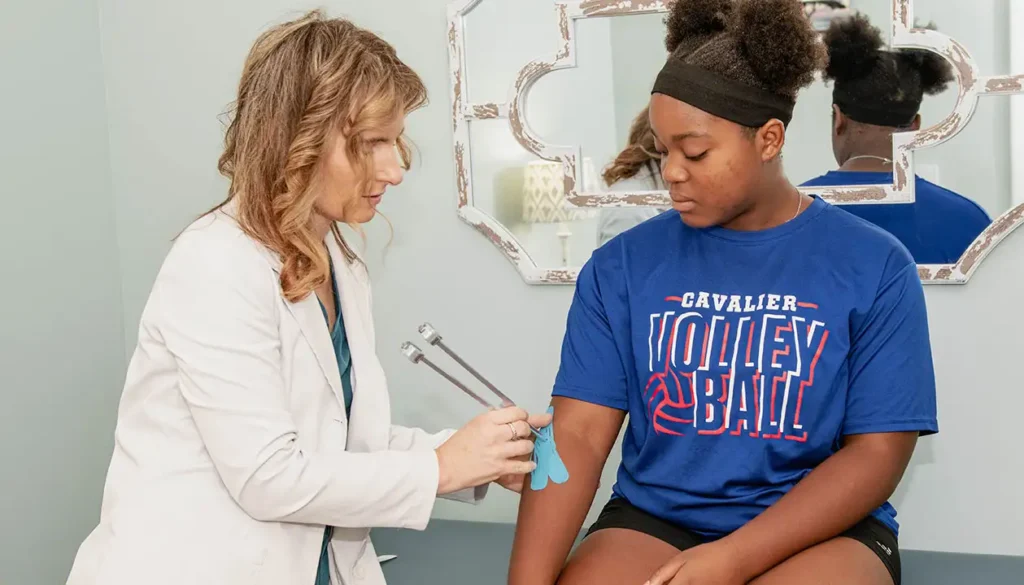
Athletes, both professional and recreational, often push their bodies to their limits. This exertion can sometimes lead to injuries affecting the musculoskeletal system, which includes bones, joints, ligaments, tendons, and muscles. Orthopedics specializes in diagnosing and treating these conditions. Over the years, the field of orthopedics has seen significant advancements, offering athletes new pathways to recovery.
Joint Injections
Joint pain and inflammation are common consequences of sports-related injuries. For many athletes, managing these symptoms is a primary goal of treatment. Joint injections are a therapeutic option that involves administering medication directly into the affected joint space. This targeted approach can provide localized relief from discomfort and swelling.
One type of injection uses corticosteroids, which are powerful anti-inflammatory agents. When injected into a joint, corticosteroids can reduce inflammation, which in turn may alleviate pain. This can provide a window of opportunity for an athlete to engage in physical therapy and rehabilitation exercises that strengthen the surrounding muscles and improve joint stability.
Another form of injection therapy involves a gel-like substance called hyaluronic acid into the joint. Hyaluronic acid is a natural component of the synovial fluid that lubricates joints and helps them move smoothly. In some joint conditions, the concentration of hyaluronic acid may be diminished. Viscosupplementation aims to restore this lubrication, potentially reducing pain and improving function.
Radiofrequency Ablation
Chronic pain originating from specific nerves can be a debilitating issue for athletes. Radiofrequency ablation (RFA) is a minimally invasive procedure designed to address this type of pain. RFA uses an electrical current produced by a radio wave to heat up a small area of nerve tissue. This process decreases pain signals from that specific area.
The procedure is performed by a specialist in orthopedics who uses imaging guidance, such as fluoroscopy, to place a thin needle next to the targeted nerve accurately. Once the needle is in the correct position, a small radiofrequency current is then passed through the electrode to interrupt a nerve’s ability to transmit pain signals to the brain. RFA can provide pain relief for an extended period, often lasting from several months to over a year. It is typically used for pain related to the spine and other joints when more conservative treatments have not provided adequate results.
Joint Repair Surgery
For more severe sports injuries, surgical intervention may be necessary to restore joint integrity and function. Modern orthopedic surgery has moved toward minimally invasive techniques, such as arthroscopy. Arthroscopic surgery involves making small incisions around the joint and inserting a tiny camera to view the inside of the joint on a screen. The surgeon can then use small surgical instruments inserted through other minor incisions to perform the repair.
This technique can be used for procedures like repairing torn ligaments, such as the anterior cruciate ligament (ACL) in the knee, or addressing damaged cartilage. Compared to traditional open surgery, arthroscopy typically results in less pain, reduced soft tissue trauma, and a faster recovery period. This allows athletes to begin rehabilitation sooner.
Consult With an Orthopedics Specialist
The field of orthopedics is continuously evolving, with ongoing research leading to new and refined treatments for sports injuries. The options discussed here represent just a few of the innovative approaches available to athletes today. Each injury is unique, and the most suitable treatment plan depends on the specific diagnosis. A consultation with an orthopedic specialist can provide a comprehensive evaluation of your condition.