
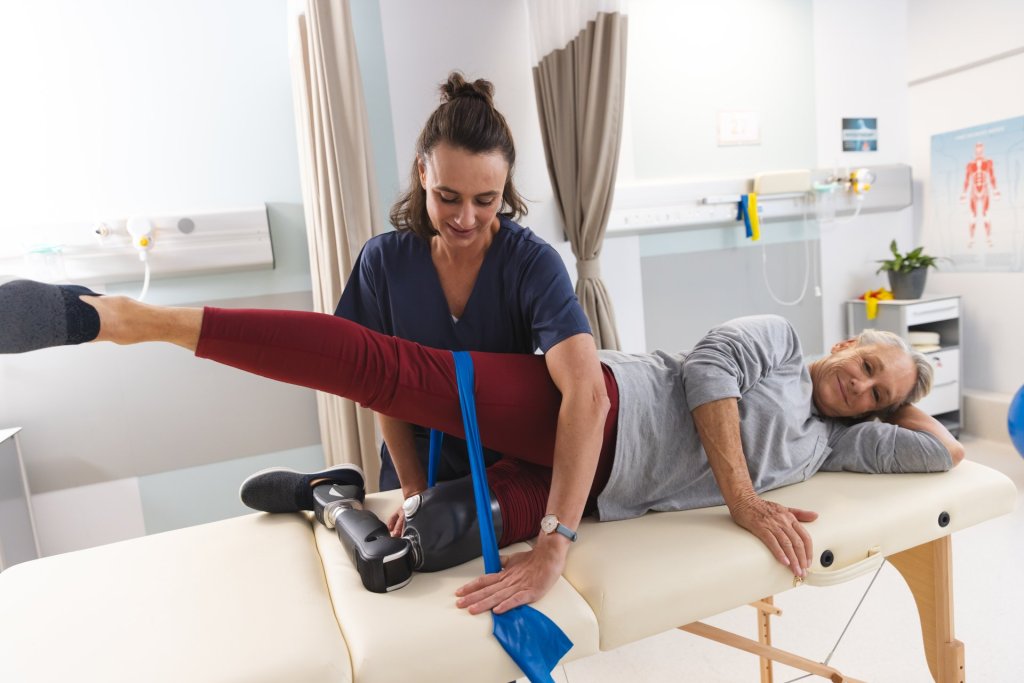
Physical therapy plays a significant role in restoring movement, improving function, and supporting long-term physical health across a wide range of conditions and injuries. Through evidence-based techniques tailored to individual needs, physical rehabilitation helps patients manage pain, rebuild strength, and enhance mobility in a safe and structured manner. Here’s a closer look at the different techniques used in physical therapy:
Targeted Therapeutic Exercises
Therapeutic exercises are a fundamental component of most physical therapy programs. These specific movements help to strengthen muscles, improve balance, and restore range of motion. A therapist designs these activities to address specific deficits in a patient’s physical capabilities, tailoring them to the individual’s needs.
Strengthening exercises are designed to build muscle mass and endurance. When muscles are weak, they cannot support the joints properly, often leading to pain or further injury. Resistance training using bands, weights, or body weight helps reverse muscle atrophy. A patient must perform these movements with correct form to avoid compensatory patterns. The therapist closely monitors the patient during these sessions to address alignment issues.
Hands-on Therapy Techniques
Manual therapy involves hands-on techniques where the therapist uses their hands to manipulate muscles and joints. This approach differs from exercise in that the therapist performs the movement for the patient. Here are some of the manual techniques physical therapists use:
- Joint Mobilization: The therapist applies skilled passive movements to a joint surface to loosen tight ligaments and capsules, thereby improving range of motion.
- Soft Tissue Mobilization: This technique involves applying pressure to muscles, tendons, and ligaments.
- Myofascial Release: This targets the fascia, which is the connective tissue surrounding muscles.
- Traction: The therapist gently pulls to separate joint surfaces, often used for the spine to relieve pressure on nerves.
These techniques prepare the body for more active movement later in the session.
Effective Modalities for Pain Relief
Physical therapy specialists often use specific modalities to manage pain and accelerate tissue healing. Common modalities used in clinics include:
- Electrical Stimulation: This involves using electrical currents to cause muscle contraction or reduce pain signaling.
- Ultrasound Therapy: This technique uses sound waves to generate heat deep within body tissues.
- Cryotherapy (Cold Therapy): The application of ice or cold packs to constrict blood vessels, reducing inflammation and numbing sharp pain after acute injuries.
- Heat Therapy: Heat packs are applied to increase blood flow and relax tight muscles.
Using these modalities makes the rehabilitation process tolerable for patients in acute pain.
Functional and Movement Training
Functional training in physical therapy focuses on helping patients return to their daily activities safely. This training mimics real-life movements such as lifting boxes, climbing stairs, or walking on uneven surfaces. It bridges the gap between basic strength exercises and the demands of everyday life. A therapist observes the patient’s mechanics during these tasks to correct unsafe patterns.
Gait training is a specific type of functional training focused on walking. Injuries to the legs or back often alter a person’s walking pattern, which can lead to problems elsewhere in the body. The therapist analyzes the patient’s stride and provides cues to correct it. They may use treadmills or open floor space to practice walking with proper alignment.
Schedule Your Physical Therapy Appointment Today
Physical therapy offers a wide range of techniques to help the body recover from trauma or strain. A comprehensive program includes exercise, manual therapy, and pain relief modalities to restore full function. Contact a trusted specialist near you today to schedule your appointment.