
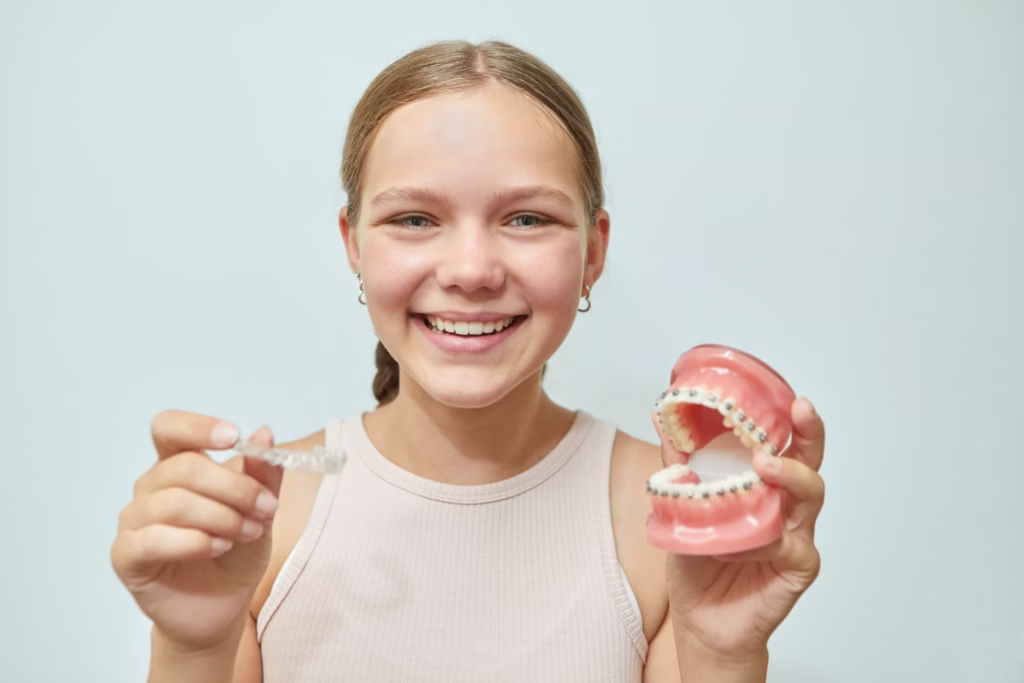
Orthodontic treatment utilizes constant, gentle pressure to guide teeth into their correct positions within the jawbone. Braces function as the primary mechanism for delivering this force to the dental arch, and understanding how they work helps streamline treatment. Here is some information about braces and teeth movement:
Identifying Key Components
Braces are made of several parts that work together to straighten your teeth, and each component plays a role in the alignment process. Key components include:
- Brackets: These are the small metal or ceramic squares that are glued directly onto each tooth with a safe dental adhesive. They act as handles to hold the archwire in place.
- Archwire: This is the thin metal wire that runs through the brackets, connecting them all, and as your teeth align, the orthodontist will use a thicker wire. The archwire applies gentle pressure to move your teeth into the correct position.
- Ligatures: These are the small rubber bands that hold the archwire to the brackets. Some modern braces have a built-in gate that holds the wire in place, so they don’t need these elastic ties.
- Molar bands: These are metal rings that are sometimes placed around your back teeth to provide a stronger anchor for the archwire.
- Hooks and rubber bands: Some brackets have small hooks for attaching rubber bands; these bands stretch between the upper and lower jaws to help correct your bite.
Understanding Tooth Movement
The physiological basis for orthodontic correction is a natural process known as bone remodeling. The periodontal ligament surrounds the root of the tooth and attaches it firmly to the jawbone. When braces apply pressure via the archwire, this ligament is compressed on one side and stretched on the other. Compression restricts blood flow in that area, signaling the body to break down bone tissue to allow the tooth to move into the new space.
On the tension side, stretching the ligament stimulates cells to generate new bone tissue to fill the void left by the shifting tooth root. This process creates a continuous cycle of resorption and deposition that allows the tooth to migrate through the bone. It is a slow process that requires constant, uninterrupted pressure to maintain momentum. If the pressure stops, the tooth movement halts. The archwire attempts to return to its original shape, and this provides the sustained force needed to stimulate movement.
Preparing for Treatment
Modifying daily routines is necessary to protect the orthodontic appliances and facilitate progress. Hard foods pose a risk to the structural integrity of brackets and wires. Biting directly into whole fruits, raw vegetables, or crusty bread often dislodges brackets from the enamel; it is safer to cut these items into bite-sized pieces before consumption to reduce stress on the hardware. Oral hygiene requires more time and attention than before treatment began. A standard toothbrush might not reach areas trapped behind the archwire or around the bracket base. Interdental brushes or water flossers help clean tight spaces to prevent plaque buildup. Regular adjustments are a standard part of the process for changing wires and inspecting the alignment’s progress. Keeping these appointments helps verify that the force levels remain appropriate for consistent tooth movement.
Learn More About Braces
Understanding the science of orthodontics demystifies the experience of wearing braces. The combination of mechanical pressure and biological response allows for effective, long-term realignment. Proper component care also directly influences the efficiency of the process. Schedule an appointment with an orthodontist today to learn if braces are right for you.