
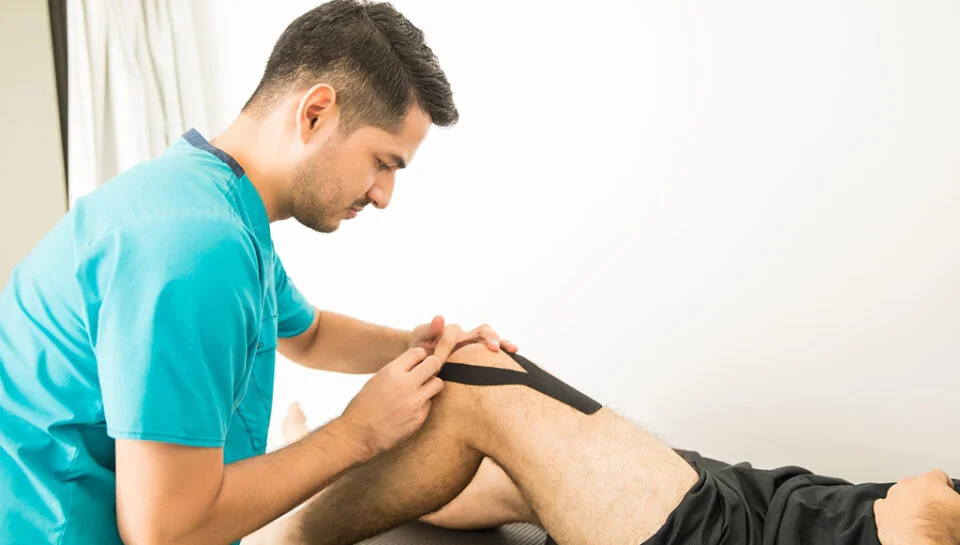
The anterior cruciate ligament (ACL) is a key ligament that helps stabilize your knee joint. An ACL tear is a sprain or tear of this ligament, which often occurs during sports that involve sudden stops, jumps, or changes in direction, such as soccer, basketball, and football. Here are some rehabilitation techniques for recovering from an ACL tear:
Physical Therapy
Following an ACL tear, recovery healthcare plans focus on restoring knee function and stability. Physical therapy is a cornerstone of this process, designed to help you regain strength, mobility, and balance. A physical therapist guides you through a structured program that evolves as your knee heals from the injury or from surgery. Physical therapy exercises can help reduce swelling and regain your range of motion.
As you progress, the program incorporates strengthening exercises for the muscles surrounding the knee, including the quadriceps, hamstrings, and calves. These targeted exercises are fundamental for supporting the knee joint and preventing re-injury. When an ACL tear occurs, some people will hear or feel a popping sound in their knee. Some other common ligament tear symptoms are:
- Severe Pain
- Rapid Swelling
- Instability in the Joint
- Reduced Range of Motion
At-home Management
Managing symptoms and supporting the healing process at home are key components of ACL tear recovery. These strategies can help reduce discomfort and protect the knee as it heals. Knee braces provide support and stability to the injured joint, which may be particularly helpful during the initial recovery phase. A brace can help control movement and protect the ligament from further stress while it heals.
The RICE Method
The RICE method is a standard first-aid treatment for soft tissue injuries, and it stands for: Rest, Ice, Compression, and Elevation. Rest involves limiting activity and avoiding putting weight on the injured knee. Ice should be applied for 15-20 minutes several times a day to help reduce swelling and numb the pain. Compression, using an elastic bandage, can help minimize swelling, but it should not be so tight that it impedes circulation. Elevation of the injured leg above the level of your heart also helps reduce swelling by allowing fluid to drain away from the knee.
Over-the-counter Medication
When physical therapy exercises and cold therapy don’t reduce pain enough, medication management may be necessary. Over-the-counter (OTC) nonsteroidal anti-inflammatory drugs (NSAIDs) can be used to manage pain and reduce inflammation. Use these medications as directed and consult your provider about their effectiveness for your symptoms.
Advanced Treatment
For some individuals, particularly those with severe tears or those who wish to return to high-level sports, more advanced treatments may be necessary. Knee arthroscopy is a surgical procedure that repairs or reconstructs the torn ACL. During this minimally invasive surgery, a surgeon uses small incisions and specialized instruments to remove the damaged ligament and replace it with a graft, which can be tissue from another part of your body or from a donor. Following surgery, a comprehensive physical therapy regimen is imperative for a full recovery.
Learn More About ACL Tear Recovery Plans
Recovering from an ACL tear requires a structured approach. The combination of physical therapy, at-home care, and potential advanced treatments creates a comprehensive rehabilitation plan. Because each injury is unique, a recovery plan should be tailored to your specific needs and goals. Consult with an orthopedic specialist about your recovery plan to discover what management options are right for your condition.