
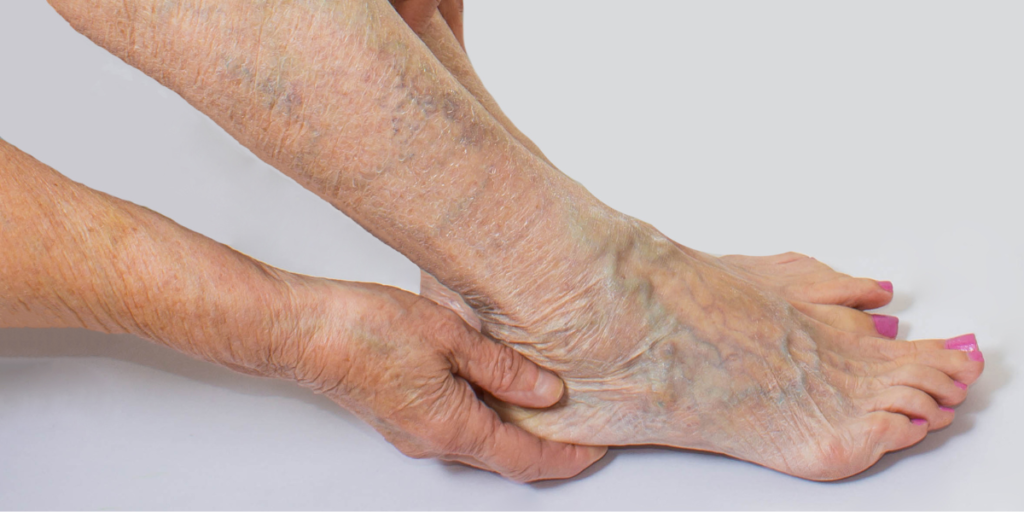
Varicose veins manifest primarily as swollen, dark purple vessels that appear prominently on the surface of your legs, and they are typically a cosmetic concern. Because blood pools in the lower extremities, these veins bulge outward noticeably and create an uneven skin texture. You might notice them on your calves, and they can feel heavy during long periods of standing. Here is more information about how varicose veins can affect daily life:
Malfunctioning Valves
When tiny valves fail to close properly, blood flows backward immediately instead of moving toward the heart. This backward flow causes significant pooling in the lower leg veins, and it increases the diameter of the vessel. Healthy valves push blood up, but damaged ones allow leaks to happen continuously throughout the day. Your circulatory system relies on these valves to return blood efficiently against the strong pull of gravity.
Pressure increases in the leg veins, and fluids accumulate in local tissues, which causes visible swelling. Because the valve remains open, circulation in the affected lower limb becomes inefficient and very sluggish. Your legs may swell noticeably due to excess fluid retention in the tissues, particularly around the ankles and feet.
Forming Twisted Veins
When the veins become enlarged over time, they also twist significantly into rope-like cords under your skin. This specific, distorted structure disrupts normal blood flow in the leg and significantly increases local pressure. As pressure builds inside the vessel, the walls stretch beyond their limits and fail to contain the blood. The vein looks like a knotted cord, and it protrudes from the skin in a very visible way.
While you stand or walk, gravity pulls blood downward naturally, increasing pressure on the vessel walls. Weak walls collapse under this continuous stress, so the vein eventually loses its cylindrical shape completely. A twisted, gnarled appearance results directly from this structural failure and the subsequent pooling of stagnant blood. When the vein wall expands too much, it cannot regain its original form without medical intervention.
Visible bumps form beneath the skin near the affected area, creating a rough, uneven texture. The texture changes noticeably to the touch, and the area feels rigid compared to the surrounding healthy skin. If you ignore these physical signs, the twisting worsens over time and spreads to nearby vessels.
Burning and Itching
Many patients experience a distinct burning sensation around the varicose veins that feels warm to the touch. While the skin looks normal, the itchiness persists constantly throughout the day and becomes difficult to ignore. Dryness aggravates the area, and this prompts scratching that can damage the fragile skin. You may have:
- Restless legs that interrupt your sleep
- Increased sensitivity to light touch
- Warm feeling radiating from the affected vein
- Achy sensations after prolonged sitting
Changing in Colors
Skin discoloration occurs in advanced cases, and red patches develop near the ankles or lower shins. Darker pigmentation of the lower leg indicates chronic venous insufficiency and requires attention from a vascular specialist. Because blood breaks down, iron deposits stain the surrounding tissue brown, creating a permanent discoloration. The skin becomes thin, and it might break or bleed easily if bumped against a hard object.
Get Treated for Varicose Veins
If symptoms impact your life, you need professional medical guidance soon to prevent further complications or discomfort. Doctors evaluate your condition, and they recommend appropriate procedures for relief that fit your specific health needs. Schedule an appointment with a vein specialist to discuss your vascular health and treatment paths today.